Surat, Oct 07: Vision is one of the most important senses we rely on every day, yet eye health is often neglected until a problem begins to affect daily life. On World Sight Day 2026, ophthalmologists at Centre For Sight, Surat are emphasising the importance of preventing avoidable vision loss through regular eye examinations, awareness of risk factors and timely access to appropriate treatment. Many conditions that can lead to significant vision impairment can be detected early, treated effectively or even prevented with timely care.
Preventable blindness does not always begin with a serious or obvious eye problem. Cataract, glaucoma, diabetic eye disease, refractive errors, corneal disorders and certain retinal conditions can progressively affect vision, often without causing significant symptoms in the early stages. Cataract remains one of the leading causes of avoidable vision impairment and, although it is largely age-related, timely diagnosis and modern surgical treatment can restore functional vision in most patients. The key is not to wait for vision to deteriorate significantly before seeking an eye examination.
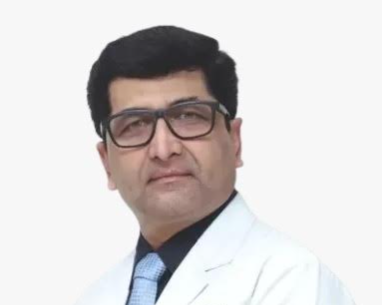
Dr. Paresh Vaidya, Medical Director, Centre For Sight, Surat said
“Cataract develops when the natural lens of the eye becomes cloudy, leading to blurred or hazy vision, difficulty seeing at night, sensitivity to light and problems with routine activities. Cataract surgery has evolved considerably, with advanced diagnostic systems and modern surgical technologies allowing ophthalmologists to assess each patient’s eyes in detail and plan treatment according to individual visual needs. At Centre for Sight, technologies including advanced optical biometry, detailed retinal and corneal imaging, femtosecond laser-assisted procedures in appropriate cases and premium intraocular lenses support greater precision and personalised treatment. However, the choice of procedure and lens should always depend on the patient’s eye health, lifestyle, expectations and clinical suitability.”
Beyond cataract, early detection is equally critical for conditions such as glaucoma and diabetic retinopathy, which can progress silently before noticeable symptoms appear. Glaucoma can damage the optic nerve and cause irreversible vision loss, while diabetes can affect the retinal blood vessels and compromise sight. Advanced imaging and diagnostic technologies enable doctors to examine the retina, optic nerve and other structures of the eye and identify potentially sight-threatening conditions at an appropriate stage. Regular monitoring is particularly important for people with diabetes, hypertension, a family history of glaucoma or other risk factors.
Dr Paresh further added
“Protecting eyesight also requires simple and consistent habits. Adults should undergo comprehensive eye examinations at intervals recommended by their ophthalmologist, even in the absence of symptoms. Children should also have their vision checked, particularly if they experience headaches, frequent eye rubbing, squinting, difficulty reading or trouble seeing the board at school. Appropriate protective eyewear during sports and while working with machinery or chemicals can help prevent serious eye injuries. With increasing dependence on digital screens, eye comfort has also become an important part of everyday eye care. Following the 20-20-20 principle, taking a 20-second break to look at something around 20 feet away every 20 minutes, can help reduce digital eye strain. Adequate lighting, a comfortable viewing distance, frequent blinking and sufficient sleep can further support eye comfort.”
The message of World Sight Day is therefore not simply to seek treatment when vision deteriorates, but to make eye health a lifelong priority. Regular examinations, good control of conditions such as diabetes and hypertension, healthy lifestyle choices and timely specialist care can collectively help protect vision and enable people to continue reading, working, travelling, learning and enjoying life with confidence.