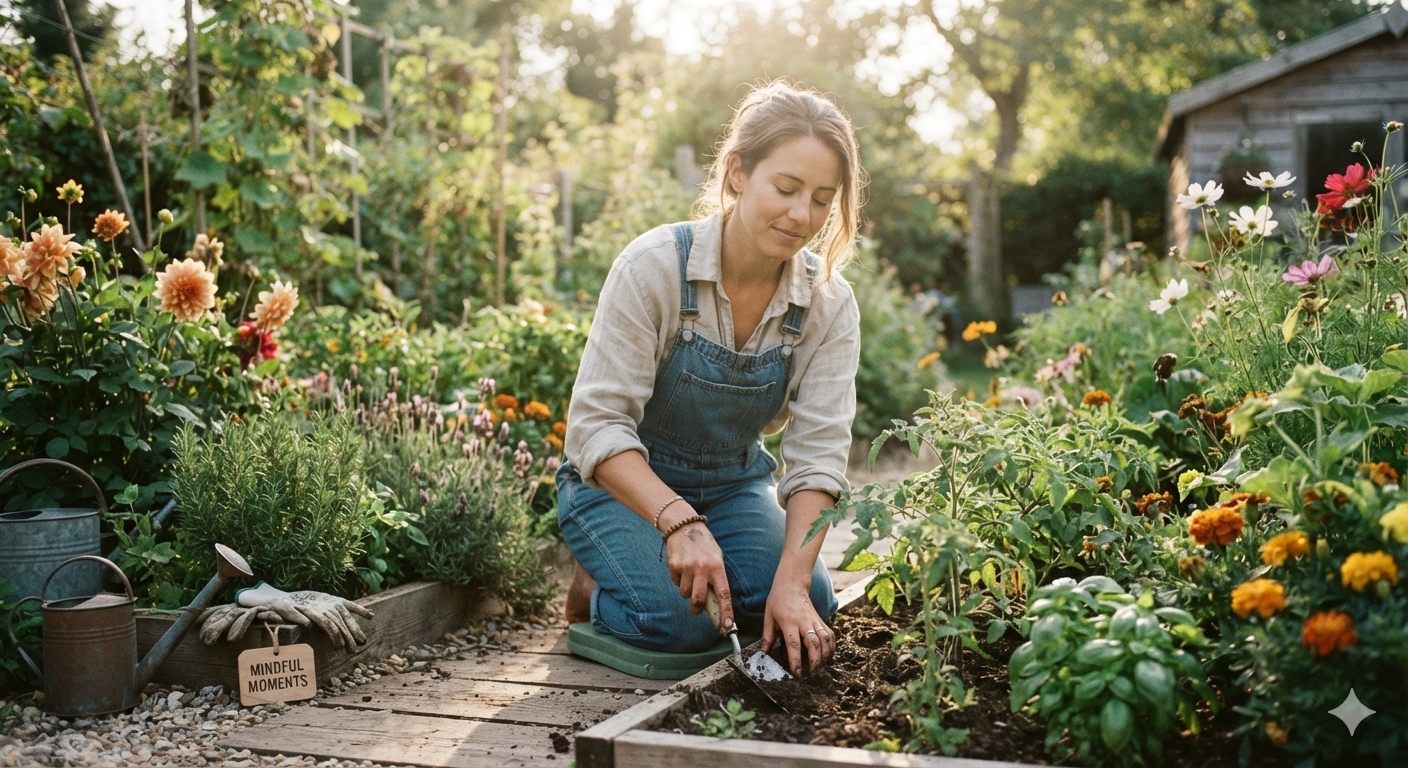
Oct 22: There is a small pleasure in seeing a new leaf appear on a plant you have been looking after for weeks. Perhaps you planted a few chilli seeds in an old container or placed a tulsi plant near your kitchen window. You water it when the soil feels dry, check on it when you have a spare moment and occasionally wonder whether it is growing as it should. Then, one morning, you notice a fresh green shoot. It is a tiny thing, but it can make you smile.
Most of our days are spent hurrying from one responsibility to another. We answer messages, meet deadlines, manage household work and often think about the next task before finishing the one in front of us. Gardening offers a welcome change. Plants do not grow faster because we are impatient, and there is little point in rushing them. They need time, care and the right conditions.
Perhaps this is why gardening is becoming a modern mindfulness practice. Looking after plants gives us a simple daily ritual in a world where much of our time is organised around screens, schedules and reminders. You do not need a large garden, expensive tools or special skills. A few pots on a balcony or even one plant near a sunny window can be enough to bring a little more awareness into an ordinary day.
What Mindful Gardening Teaches Us About Slowing Down
We have become accustomed to expecting quick results. We send a message and look for an immediate reply. We start a new habit and hope to see progress within days. Gardening works on a different timetable. Seeds take time to sprout, and a plant that looks unchanged for several days may still be developing beneath the soil.
Looking after plants encourages us to notice small details. You might discover that the soil dries out more quickly on a hot afternoon, that a new leaf is beginning to unfold or that a plant looks healthier after being moved into better light. Instead of thinking about everything waiting for you, your attention rests on what is happening right there.
This is the appeal of mindful gardening: the activity itself becomes an opportunity to pay attention. You do not need to empty your mind or follow a formal meditation routine. Sometimes, noticing the smell of wet soil after watering or feeling the warmth of the morning sun is enough to bring your attention back to the present.
You Don't Need a Big Garden to Begin
For many people living in Indian cities, space is limited. Not everyone has a backyard or a terrace where dozens of plants can grow. Some have a narrow balcony, while others have only a windowsill that receives a little sunlight. But a lack of space does not mean giving up on gardening altogether.
A few containers can be a good beginning. Curry leaves, mint, green chillies and coriander may be practical choices if your space receives suitable sunlight. Tulsi is another familiar plant in many Indian homes. You could start with just one or two plants, learn what they need and gradually add more if you enjoy the experience.
It is important to choose plants that suit your surroundings rather than buying whatever looks attractive at a nursery. A shaded balcony will not suit every plant, and heavy monsoon rain in Kerala can leave pots waterlogged if they do not drain properly. Start small and learn as you go. Your garden does not need to look impressive to offer you the pleasure of caring for it.
The Quiet Satisfaction of a Daily Ritual
There is something comforting about returning to the same small activity each day. You check the leaves, touch the soil, remove a dry stem or see whether a new bud has appeared. The task may take only a few minutes, but it gives a busy day a gentle pause that does not depend on a phone reminder or an online schedule.
Gardening also offers small things to look forward to. A new leaf, the first flower or a handful of coriander ready to be used in the kitchen can bring a surprising amount of satisfaction. These modest rewards come from something you have cared for over time, rather than something you have purchased or achieved through a major effort.
Of course, gardening is not always rewarding. Leaves turn yellow, pests appear and sometimes a plant dies despite your best efforts. It can be disappointing, especially when you have spent weeks caring for it. But these experiences can remind us that effort does not always produce the result we want. Sometimes, we need to change our approach, try again or accept that certain things are beyond our control.
A Little Distance From Screens and Notifications
Think about how often you reach for your phone without really needing it. You might check messages while waiting for the kettle to boil, scroll during a short break or open an app simply because you have a few minutes to spare. Before you realise it, those small moments have disappeared into a screen.
Spending ten or fifteen minutes with your plants can offer a different kind of break. You might water them, remove a few dry leaves or check whether they need more sunlight. There is no need to time every activity or turn gardening into another task to complete. The pleasure comes from doing something with your hands and paying attention to what is around you.
It can also be an enjoyable family activity. Children can help plant seeds, parents or grandparents can share what they know about familiar plants, and everyone can take part in growing herbs used in everyday cooking. In a household where people are often busy with their own screens, looking after a few plants together can create an easy opportunity to talk and spend time with one another.
Letting Growth Happen in Its Own Time
We often judge our efforts by the results they produce. We want to see progress at work, notice changes after exercising or feel that a new habit is making a difference. Gardening offers a different way to think about progress because much of what happens is gradual and sometimes difficult to see.
Not every seed will grow, and not every plant will thrive in the place we choose for it. You may need to adjust the watering, move a pot into better light or try a different variety. Rather than treating every setback as a failure, you begin to see it as part of learning what works. You become more attentive to the conditions around you instead of expecting everything to happen according to plan.
Perhaps that is what makes gardening such a meaningful mindfulness practice. It reminds us that caring for something does not require constant measurement or immediate results. You do not need to grow enough vegetables to feed your family or create a garden that impresses your neighbours. One pot beside a window is a perfectly good place to begin. And while you are making room for a plant to grow, you may discover that you have also made a little room in your day to breathe.