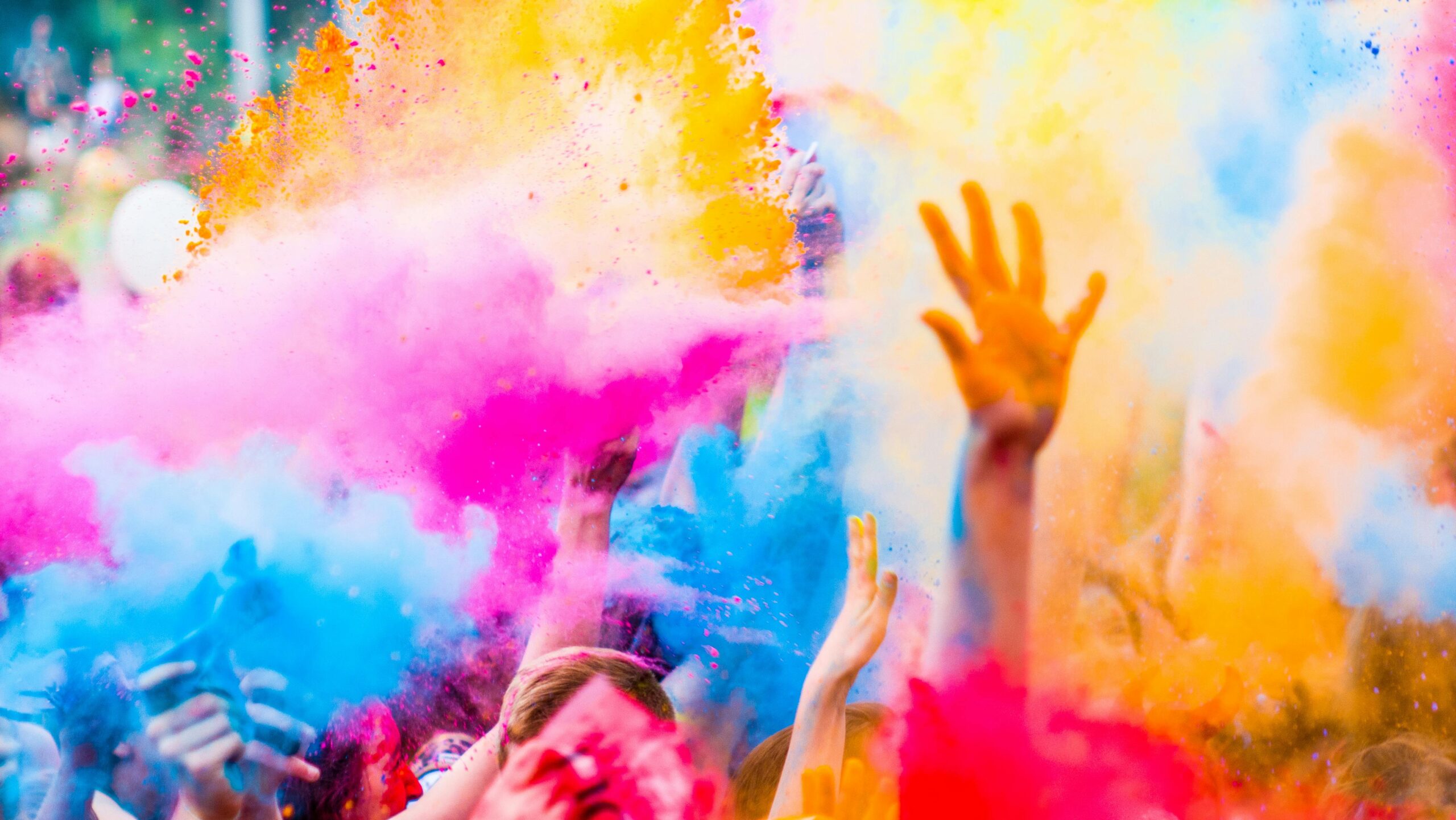
Holi 2026, the vibrant “Festival of Colours,” will be celebrated on Wednesday, March 4, 2026, with the traditional Holika Dahan bonfire ritual taking place on the evening of March 3. This ancient Hindu festival, symbolizing the victory of good over evil and the arrival of spring, has evolved into a global, inclusive event that combines traditional rituals like playing with gulaal with modern, eco-friendly, and diverse regional celebrations.
Key Dates and Significance
- Holika Dahan (Bonfire): Tuesday, March 3, 2026. The auspicious Shubh Muhurat for the bonfire is between 6:22 PM and 8:50 PM, symbolizing the destruction of evil and protection from it.
- Rangwali Holi (Colours): Wednesday, March 4, 2026.
- Significance: Celebrates the Puranic legend of Prahlad and Holika, signifying the triumph of devotion over arrogance.
The Mythological Roots of Holi
The origins of Holi are rooted in Hindu mythology, particularly the legend of Prahlada, a devoted follower of Lord Vishnu, whose faith protected him from his tyrannical father Hiranyakashipu and aunt Holika, who perished in the fire meant to kill him—an event commemorated as Holika Dahan, symbolizing the triumph of good over evil. Another cherished narrative links Holi to the playful love of Lord Krishna and Radha, where Krishna’s mischievous act of applying colour to Radha is believed to have inspired the joyful tradition of throwing colours, giving the festival its vibrant and romantic spirit.
Historical Evolution of Holi
Holi’s cultural roots trace back to ancient Indian texts, evolving from an agrarian spring festival into a nationwide celebration. In medieval India, it gained royal patronage and symbolized communal harmony, with Mughal emperors like Akbar and Jahangir participating in the festivities. During the colonial era, Holi remained a vibrant expression of unity, and after independence, cinema and mass media further popularized it, embedding the festival deeply into India’s cultural and social landscape.
Regional Variations Across India
India’s diversity is beautifully reflected in the varied forms of Holi celebrations across states:
Lathmar Holi – Uttar Pradesh
In the towns of Barsana and Nandgaon in Uttar Pradesh, women playfully strike men with sticks in a tradition known as Lathmar Holi, recreating Krishna’s teasing of Radha and her companions.
Dol Jatra – West Bengal
In West Bengal, Holi coincides with Dol Jatra, marked by devotional songs, colourful processions, and the worship of Krishna idols placed on decorated swings.
Hola Mohalla – Punjab
In Punjab, Holi merges with Hola Mohalla, a Sikh festival initiated by Guru Gobind Singh, featuring martial arts displays, poetry, and community feasts.
Rang Panchami – Maharashtra
In Maharashtra, celebrations often extend to Rang Panchami, observed five days after Holi, particularly in urban centres.
Each regional adaptation preserves the core message of renewal while adding distinctive local flavours.
Holi 2026: Contemporary Celebrations
In 2026, Holi reflects India’s rapidly changing social and technological landscape. Urban celebrations increasingly feature curated “Holi festivals” with DJs, organic colours, rain dances, and themed décor. Gated communities and apartment complexes organize safe, inclusive events for families.
Digital Influence
Social media platforms amplify Holi’s visibility, transforming it into a visual spectacle shared globally. Influencers, celebrities, and brands curate themed content, while families connect virtually to share greetings and moments.
Eco-Friendly Practices
Environmental awareness has significantly reshaped Holi practices. Chemical-based colours are being replaced with herbal and organic alternatives made from turmeric, flowers, and natural extracts. Water conservation campaigns encourage dry Holi celebrations, reflecting a shift towards responsible festivity.
Municipal bodies across major cities advocate for minimal water usage and safe disposal of Holika Dahan materials, balancing tradition with sustainability.
Holi and the Indian Diaspora
Holi’s evolution is not limited to India. The festival has gained global recognition, celebrated by Indian communities and international enthusiasts alike. Events inspired by Holi’s colour-throwing tradition are now held in countries across North America, Europe, and Australia.
This global expansion has transformed Holi into a cultural ambassador of India, symbolizing joy, diversity, and unity beyond religious boundaries.
The Economic and Commercial Dimension
Holi significantly impacts India’s economy. In 2026, e-commerce platforms report rising demand for festive merchandise, organic colours, gift hampers, sweets, and ethnic wear. Travel bookings surge as families plan reunions and festive getaways.
Hospitality brands curate Holi brunches and themed stays, while FMCG companies launch limited-edition products tied to the festival. This commercialization reflects the festival’s scale but also invites discussion about balancing consumerism with cultural authenticity.
Cultural Symbolism and Social Impact
Beyond colours and celebration, Holi serves as a social equalizer. Traditionally, the festival momentarily dissolves rigid social hierarchies, encouraging people to embrace one another without barriers of caste, class, or status.
In contemporary India, Holi continues to act as a bridge-builder in workplaces, educational institutions, and communities. Corporate offices host inclusive celebrations, emphasizing diversity and employee engagement.
The festival also fosters reconciliation. It is customary to let go of grudges and begin anew—an emotional cleansing that aligns with the seasonal transition from winter to spring.
Challenges in Modern Celebrations
Despite its joyous spirit, Holi faces certain challenges in modern times:
-
Misuse of synthetic and harmful colours
-
Excessive water wastage
-
Noise pollution
-
Public safety concerns
Authorities and civil society organizations increasingly collaborate to promote safe and respectful celebrations. Campaigns emphasize consent, environmental responsibility, and community harmony.
Holi in Indian Popular Culture
Indian cinema has immortalized Holi through iconic songs and scenes, reinforcing its association with romance, drama, and celebration. From classic films to contemporary blockbusters, Holi sequences often mark pivotal emotional moments.
Music, fashion, and advertising continue to reinterpret Holi’s aesthetics each year, ensuring its relevance among younger generations.
The Spiritual Core of Holi
At its heart, Holi is not merely about colour—it is about transformation. The burning of Holika symbolizes the destruction of ego and negativity. The playful exchange of colours represents the blending of identities into a harmonious whole.
In 2026, amid technological advancements and rapid urbanization, this spiritual dimension remains central. Many families begin the festival with prayers, temple visits, and rituals before joining public festivities.
Holi 2026: A Festival of Renewal
As India navigates modernization, globalization, and environmental consciousness, Holi continues to adapt while preserving its essence. It remains a celebration of resilience, unity, and shared humanity.
From rural villages to metropolitan cities, from traditional bonfires to eco-conscious colour festivals, Holi 2026 reflects both continuity and change. It bridges mythology and modernity, devotion and delight, heritage and innovation.
In a world often divided by differences, Holi stands as a vibrant reminder that joy can be shared, forgiveness can be offered, and new beginnings are always possible.