
Questions Rise Over WHO’s Global Relevance Following U.S. Exit; India May Reassess Public Health Policy Alignment
Mar 05: The recent withdrawal of the United States from the World Health Organization (WHO) has sparked global discussions on the future of international health governance, funding stability, and policy independence. The decision, announced by the U.S. Department of Health and Human Services and the U.S. Department of State, cited concerns about the organization’s inability to demonstrate independence from political influence among member states.
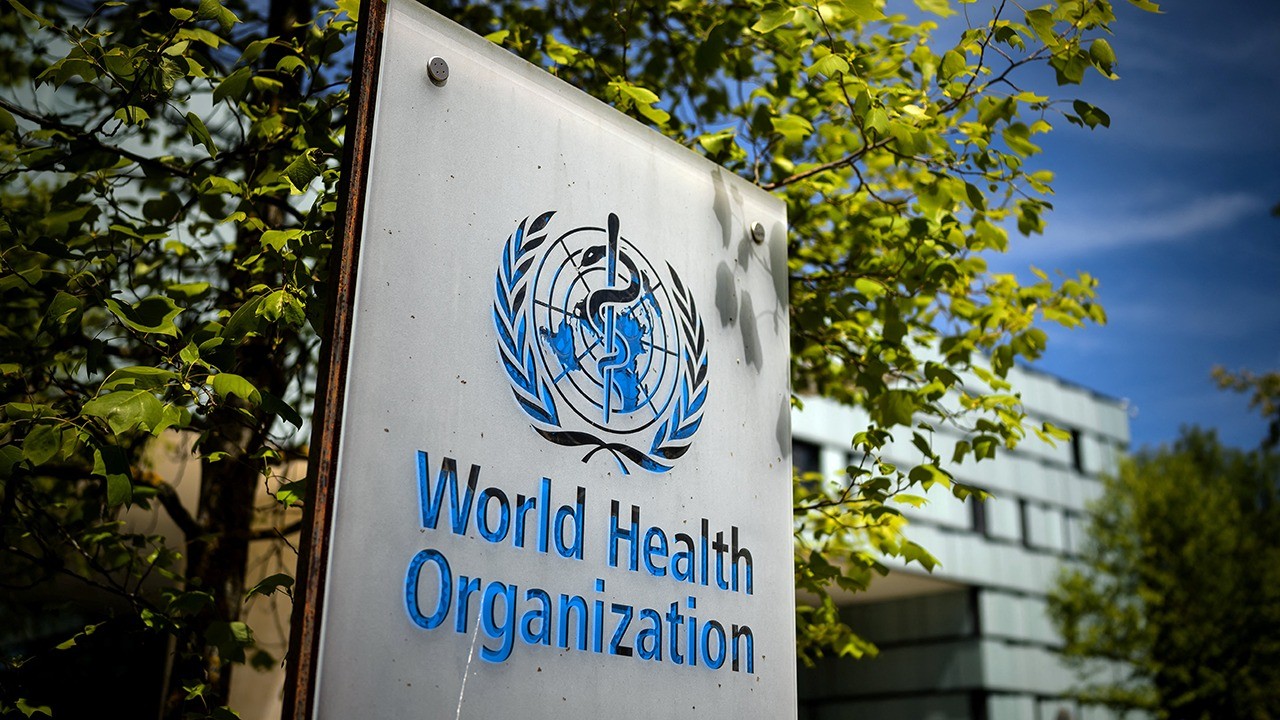
The move has prompted governments and public health experts worldwide to reassess the role of global health institutions in shaping national public health policies. Analysts suggest that the development may provide countries like India an opportunity to reflect on how international frameworks align with domestic health priorities and evidence-based policymaking.
India has historically demonstrated strong public health leadership through locally driven solutions. Initiatives such as the deployment of the CoWIN digital platform during the pandemic and the large-scale production of affordable generic medicines for HIV/AIDS treatment have been widely cited as examples of successful, locally tailored health interventions.
Experts note that the changing global health landscape has also revived debate on the influence of international funding mechanisms and philanthropic organizations such as Bloomberg Philanthropies and the Bill & Melinda Gates Foundation in shaping global public health priorities. With the U.S. previously being the largest donor to WHO, concerns have been raised about how shifts in funding may affect the direction of global health programmes.
India’s tobacco control policies are often cited in these discussions. The country, with an estimated 267 million tobacco users, has one of the largest and most diverse tobacco-consuming populations in the world, including widespread use of smokeless and informal tobacco products. In 2019, India enacted the Prohibition of Electronic Cigarettes Act, 2019 (PECA), banning the sale and distribution of electronic cigarettes as part of its tobacco control measures aligned with global policy frameworks.
Public health experts have called for greater emphasis on local research and evidence while framing such policies. Dr. Lancelot Mark Pinto, Pulmonologist and Epidemiologist Consultant at P. D. Hinduja Hospital & Medical Research Centre, noted that public health decisions should reflect local realities and data-driven analysis.
“Health policy needs to be data-driven, with local preferences, cost-effectiveness and social norms taken into account. Local innovations such as Oral Rehydration Solution (ORS) have historically saved millions of lives and demonstrate the importance of homegrown solutions. Strengthening local research can help ensure that policies are guided by scientific evidence,” he said.
Echoing similar views, Konstantinos Farsalinos, a cardiologist and harm-reduction researcher from Greece, emphasized the importance of evidence-based approaches in global tobacco harm reduction discussions.
“With more than 1.2 billion smokers globally, risk-reduction strategies and scientifically evaluated alternatives must be part of the policy conversation. Restricting access to less harmful alternatives raises both scientific and ethical questions,” he said.
As global health governance undergoes change, experts believe India has an opportunity to strengthen its model of health sovereignty—one that prioritizes domestic research, population-specific policies, and evidence-based regulation. Enhancing local research capacity, modernizing regulatory frameworks, and encouraging structured stakeholder engagement could play a key role in shaping a public health strategy aligned with India’s unique needs and priorities.