

Managing Anxiety with Mindfulness and Coaching: A Practical Guide to Calm the Mind
Anxiety has become a common challenge in modern life due to fast-paced routines, digital overload, work pressure, and personal responsibilities. While occasional anxiety is a natural response to stress, persistent worry can affect emotional well-being, productivity, and overall quality of life. One effective way to manage anxiety is by combining mindfulness practices with supportive coaching techniques. Mindfulness helps individuals focus on the present moment and step away from overwhelming thoughts, while coaching strategies assist in reframing negative thinking and building emotional resilience. Together, these approaches encourage greater self-awareness, reduce stress, and help individuals develop healthier responses to challenges, ultimately promoting a calmer and more balanced state of mind.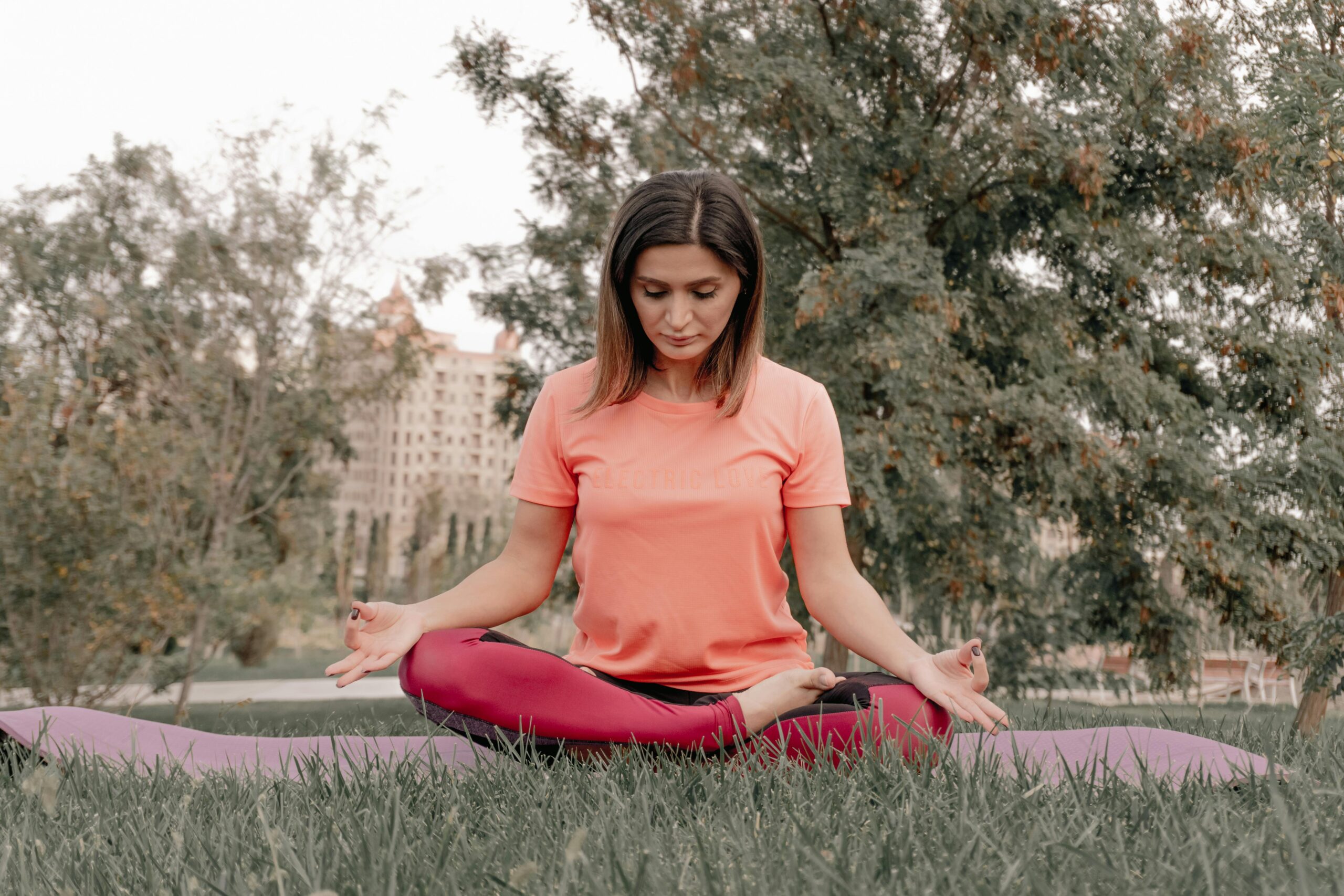
Understanding Anxiety and the Role of Mindfulness
Anxiety often stems from dwelling on the future or past, triggering the body’s stress response with increased heart rate, muscle tension, and cortisol production. Mindfulness helps interrupt this cycle by encouraging individuals to observe thoughts without judgment and focus on the present moment through breathing, sensory awareness, or gentle movement. Regular practice trains the brain to respond to stress more calmly, improving emotional regulation, reducing rumination, and boosting overall resilience. Even brief daily exercises, like five to ten minutes of focused breathing, can enhance mental clarity and emotional balance.
Mindfulness Techniques for Managing Anxiety
There are several practical mindfulness exercises that can help calm anxious thoughts and bring the mind back to the present moment. These techniques can be practiced almost anywhere and require no special equipment.
Mindful Breathing (Anchoring the Mind)
One of the simplest and most effective mindfulness techniques is mindful breathing. When anxiety arises, the breath often becomes shallow and rapid, which signals the body to remain in a stress state.
Mindful breathing reverses this pattern by slowing down the breath and activating the body’s relaxation response.
A simple breathing method involves:
-
Inhaling slowly for four seconds
-
Holding the breath briefly for one second
-
Exhaling gently for five seconds
Repeating this cycle for several minutes helps regulate the nervous system and reduce physical symptoms of anxiety. Focusing on the rhythm of the breath also serves as an anchor for attention, preventing the mind from drifting into worry.
Body Scan Meditation
Anxiety often manifests physically through tight muscles, headaches, or tension in the shoulders and neck. A body scan meditation helps individuals identify these areas of tension and consciously release them.
In a body scan exercise, individuals slowly bring attention to different parts of the body—from the toes to the head—observing sensations without trying to change them. As awareness moves through each area, people can gently relax muscles and release stored tension.
This practice improves the mind-body connection and encourages deeper relaxation.
Mindful Movement
Mindfulness does not always require sitting still. Many people find it easier to calm their minds through gentle physical activity.
Mindful movement practices include:
-
Slow yoga stretches
-
Walking meditation
-
Gentle breathing exercises combined with movement
During these activities, the focus remains on the sensations of the body—such as the feeling of the feet touching the ground or the rhythm of breathing during movement.
Mindful movement helps release built-up tension while improving mood and mental clarity.
Scheduled Worry Time
Anxiety often grows stronger when individuals attempt to suppress their worries entirely. Instead of fighting anxious thoughts, a helpful strategy is to set aside a specific “worry time.”
In this approach, individuals acknowledge worries as they arise but postpone dwelling on them until a designated period later in the day—usually around 10 to 15 minutes.
When the scheduled time arrives, they can write down their concerns and evaluate them more calmly. Surprisingly, many worries lose their intensity by the time the scheduled period arrives.
This technique helps break the cycle of constant rumination and allows the mind to focus on the present for the rest of the day.
Coaching Techniques for Anxiety Management
While mindfulness focuses on present-moment awareness, coaching techniques help individuals change the mental patterns that fuel anxiety.
These strategies encourage self-reflection, emotional awareness, and constructive thinking.
Cognitive Reframing
Cognitive reframing is a powerful technique used to challenge irrational or exaggerated thoughts.
Anxiety often leads to thinking patterns such as:
-
“Something bad will definitely happen.”
-
“I’m not capable of handling this situation.”
-
“If I fail once, everything will collapse.”
Coaching encourages individuals to question these thoughts and replace them with more realistic perspectives.
For example:
-
“I may face challenges, but I can handle them step by step.”
-
“One setback does not define my abilities.”
By consciously reframing thoughts, individuals gradually develop healthier mental habits.
Cultivating Present-Moment Awareness
Anxiety frequently arises from worrying about future events that may never occur. Coaching helps individuals strengthen their ability to remain grounded in the present moment.
Through guided reflection and mindfulness exercises, individuals learn to redirect attention from hypothetical fears to current actions and solutions.
This shift helps reduce the emotional intensity of anxious thoughts and builds confidence in handling real-life situations.
Practicing Self-Compassion
Many people with anxiety are highly self-critical. They may judge themselves harshly for feeling worried or overwhelmed.
Self-compassion involves treating oneself with the same kindness and understanding offered to a close friend.
Instead of thinking:
“I shouldn’t feel this way.”
Individuals learn to say:
“It’s okay to feel anxious sometimes. I can take steps to support myself.”
This compassionate mindset reduces emotional pressure and helps individuals navigate anxiety more gently.
Values-Based Action
Another powerful coaching strategy involves focusing on personal values rather than fears.
When people clarify what truly matters to them—such as relationships, creativity, growth, or contribution—they can make decisions aligned with those values instead of being driven by anxiety.
For example, someone who values learning might choose to pursue a challenging opportunity despite feeling nervous.
Acting in alignment with personal values builds confidence and reduces the influence of irrational fears.
Creating a Daily Routine for Lasting Results
Managing anxiety is not about eliminating stress completely—it is about developing habits that support emotional balance over time.
A consistent daily routine can significantly enhance the effectiveness of mindfulness and coaching practices.
Start with Small Steps
Many people assume they need long meditation sessions to benefit from mindfulness. In reality, even five to ten minutes per day can produce noticeable improvements.
Beginning with small, manageable practices increases the likelihood of maintaining consistency.
Establish Healthy Daily Rhythms
Regular sleep patterns, consistent meal times, and structured daily activities help regulate the body’s internal clock and reduce stress levels.
Predictable routines create a sense of stability that supports emotional well-being.
Incorporate Physical Activity
Moderate physical activity is one of the most effective natural stress relievers.
Activities such as walking, cycling, stretching, or yoga stimulate the release of endorphins—chemicals in the brain that improve mood and reduce anxiety.
Regular movement also helps release physical tension stored in the body.
Limit Stimulants
Substances such as caffeine and excessive sugar can increase heart rate and trigger physical sensations similar to anxiety.
Reducing these stimulants—especially during stressful periods—can help stabilize mood and energy levels.
When to Seek Professional Support
While mindfulness and coaching techniques can be highly effective, severe or persistent anxiety may require additional professional support.
Therapeutic approaches such as Mindfulness-Based Stress Reduction (MBSR), cognitive behavioral therapy, or counseling can provide structured guidance and deeper emotional insights.
Mental health professionals are trained to help individuals navigate complex emotional patterns and develop personalized coping strategies.
Seeking help is not a sign of weakness—it is a proactive step toward well-being and personal growth.
Building Long-Term Emotional Resilience
Anxiety management is an ongoing process rather than a quick fix. With patience and consistent practice, mindfulness and coaching techniques can gradually reshape how individuals respond to stress.
Over time, these practices help people develop greater emotional awareness, stronger coping skills, and a deeper sense of inner stability.
By focusing on the present moment, challenging unhelpful thoughts, and maintaining healthy daily habits, individuals can transform anxiety from a source of distress into an opportunity for personal growth.
Ultimately, cultivating mindfulness and self-understanding allows people to approach life with greater clarity, balance, and resilience—even in the face of uncertainty